

Introduction
Artificial Intelligence (AI) now plays a pivotal role in content creation, revolutionizing how organizations communicate, engage, and operate. Editorial workflows that once took hours (or even days) can now be streamlined in minutes. This innovation has led the marketing and content industries to adopt AI-generated content at an unprecedented pace.
Yet, as with any revolutionary tool, AI-generated content sparks debates—specifically around its quality, search engine compatibility, and long-term viability. The question arises, “Can AI writing rank on Google and adhere to the platform’s search quality benchmarks?”
This comprehensive post by Alpha SEO Tools dives into the nuances of using AI in content creation. We spotlight strategies, debunk myths, and evaluate how businesses can ethically and effectively use AI to optimize their web content for search engines while providing value to readers.
What Is AI-Generated Content?
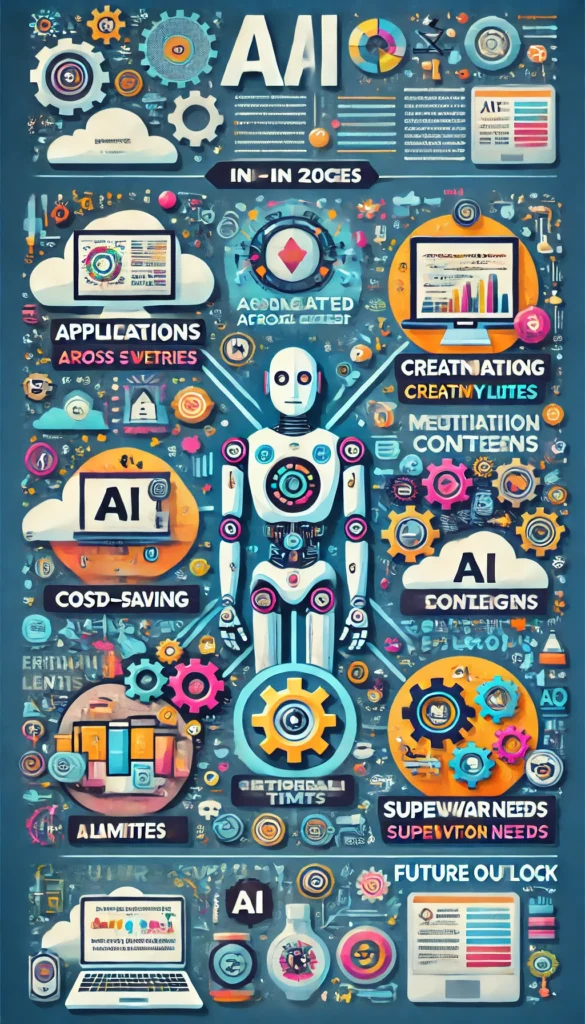
AI-generated content refers to text, video, images, audio, or other media created using artificial intelligence. Tools like ChatGPT, Jasper, and Writesonic use natural language processing (NLP) and machine learning (ML) algorithms to generate written content, enabling organizations to automate curation processes.
Common applications of AI-generated content include:
| Industry | Use Case | Benefits |
| Marketing | Ad copy, email campaigns, social media posts | Faster content creation, higher ROI |
| E-commerce | Product descriptions, chatbots | Improved customer experience |
| Education | E-learning materials, quizzes | Personalized learning experiences |
| Healthcare | Health blogs, FAQs, appointment reminders | Enhanced patient engagement |
| Entertainment | Script writing, story development | Increased production efficiency |
However, not all AI tools are created equal, which is why understanding Google’s stance and utilizing the right practices is paramount to your success.
AI Content Tools Comparison
| Tool | Best For | Pricing | Key Features |
|---|---|---|---|
| ChatGPT | General content creation | Free/Paid versions | Conversational and versatile |
| Jasper AI | Marketing content | Monthly subscription | SEO-optimized templates |
| Copy.ai | Short-form content | Free/Paid versions | Ad and social media copy |
| Writesonic | Blog posts, ads | Monthly subscription | Multi-language support |
| Grammarly | Content proofreading | Free/Premium | Grammar checks, tone suggestions |
There are lots of other tools like copymatic, stealth writer, AISEO etc in market but only above ones are observed to be better than others.
Does Google Penalize AI-Generated Content?
Google does not explicitly penalize AI-generated content—provided it adheres to specific principles. Google’s search quality teams emphasize that all content, regardless of how it’s produced, must align with E-E-A-T (Experience, Expertise, Authoritativeness, Trustworthiness). These factors ensure content is relevant, user-focused, and free from manipulative tactics like keyword stuffing.
Why Does Google Allow AI Content?
AI has long supported industries like finance and meteorology—examples include automatically generated weather forecasts and stock reports. Google acknowledges how AI helps scale information across platforms. However, the caveat lies in maintaining authenticity, originality, and quality.
Red Flags to Avoid
When leveraging AI-generated content, avoid the following mistakes, as they can drastically impact your search rankings:
- Keyword Stuffing – Overloading your content with repetitive terms compromises readability and violates Google’s spam policies.
- Lack of Originality – AI tends to produce generic content unless prompted with specific, unique inputs.
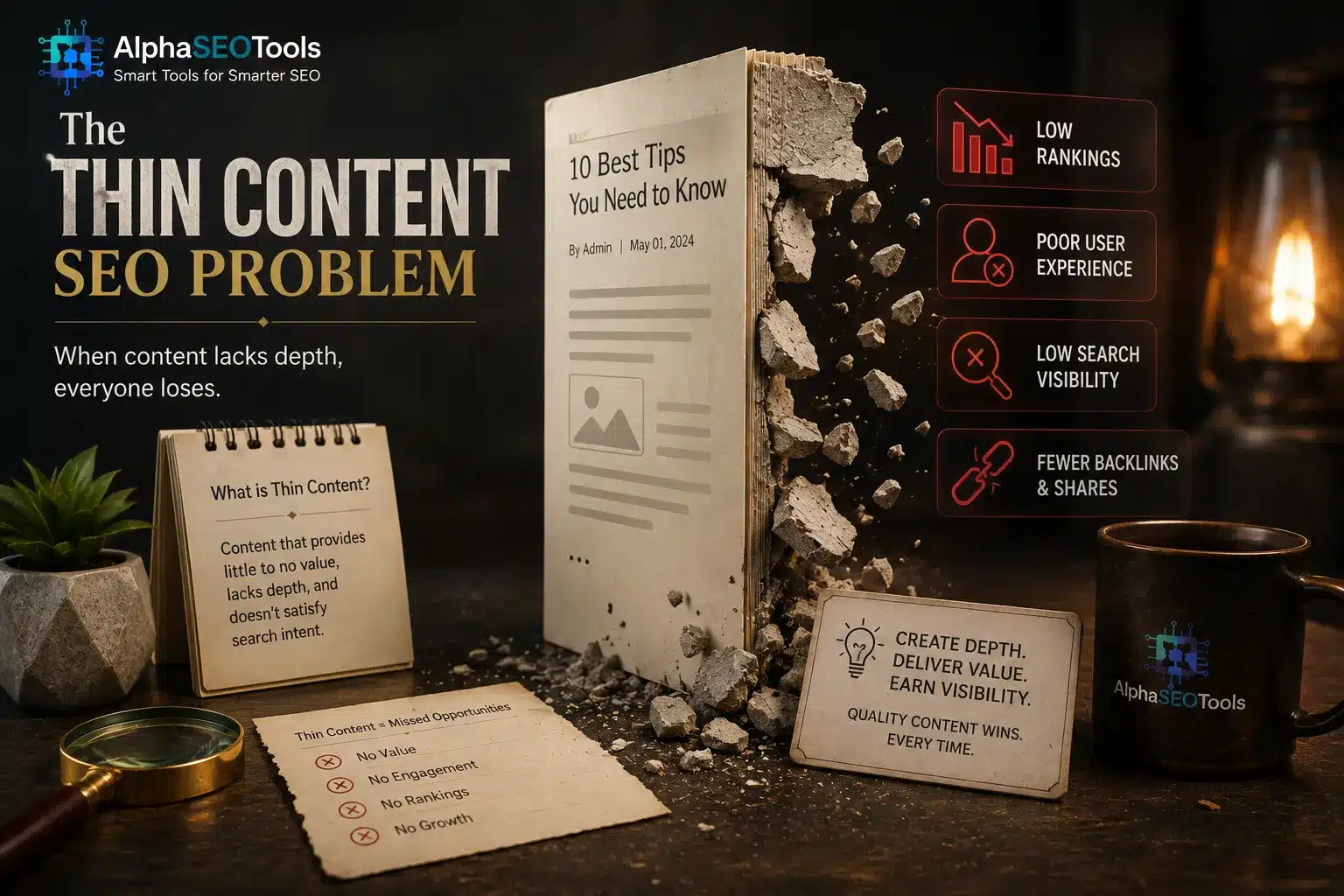
- Thin Content – Over-relying on AI without contextual depth can lead to content low in value. This makes rankings more difficult to achieve.
- Misleading Information – Ensure all data and claims are accurate. Erroneous content damages credibility and your relationship with the audience.
- Plagiarized Content – Duplicate content, intentional or unintentional, undermines your site’s reputation and risks penalties. Use plagiarism-check tools to maintain originality.
Best Practices for Ranking AI-Generated Content
While AI can be an incredible asset, proper implementation is key to ensuring visibility in search engines. Here’s how to optimize your AI-generated content for success.
Prioritize Content Quality & Relevance
The backbone of successful ranking is well-crafted, high-quality content. Your AI-generated text should add genuine value to the user, addressing their specific needs and intentions.
Strategies for Improvement:
- Fact-Checking – AI lacks the human ability to verify sources. Manually verify any claims, statistics, or data included in the content.
- Editing & Refinement – AI acts as a production assistant—not a replacement for an editor. Polish your content by ensuring flow, tone, and grammar are optimized for users.
- Humanization – Include personal anecdotes, expert quotes, or storytelling elements to foster relatability and emotional engagement.
Choose the Right AI Tool for Your Needs
Not all AI content generators are built the same, and selecting the best platform for your requirements can improve productivity and results. Leading tools like Jasper, Writesonic, and Copy.ai offer robust SEO-integrated features to make your writing stand out.
Factors to consider:
- Accuracy – Evaluates the error rate in generated text.
- Keyword Integration – Look for tools that suggest keyword placements and natural ways of incorporating SEO terms.
- Customization – AI must allow personalization based on style and brand voice.
- Pricing – Platforms vary significantly in cost. Explore free trials when available.
Conduct Thorough Keyword Research
Successful AI-generated blog content starts with understanding your audience’s search intent. Conducting in-depth keyword research ensures you address relevant questions and drive organic traffic.
Key Tools:
- Google Keyword Planner – Leverage search data and trends to identify profitable opportunities.
- Ahrefs – Find low-competition keywords for niche markets.
- SEMrush – Gain insights into content gaps your site can capitalize on.
Tip – Focus on long-tail keywords that reflect search intent and local context.
Optimize Metadata and Structured Data
Metadata elements like headlines, meta descriptions, and schema markup provide search engines context about your site’s content. Well-optimized metadata boosts click-through rates while improving how Google ranks your page.
Checklist for SEO Success:
- Craft engaging meta descriptions within 155 characters.
- Incorporate keywords naturally into URLs and headings.
- Add structured data (e.g., FAQs, reviews) to gain rich snippet visibility.
Enhance User Experience
Search engines reward sites that prioritize user-first design and functionality. AI-generated content alone won’t guarantee high rankings if your site fails to deliver an intuitive browsing experience.
Suggestions:
- Format text with headers, bullet points, and short paragraphs.
- Improve mobile responsiveness across devices.
- Reduce page loading times with speed-optimization tools like Google PageSpeed Insights.
- Add visuals like infographics, images, or charts to complement the AI-crafted narrative.
Ethical Considerations and Challenges
AI is not a flawless writing tool. While it enhances productivity, misuse can result in content that feels spammy or lacks originality. Maintaining integrity while using AI can be challenging but highly rewarding if executed diligently.
- Transparency – Disclose when AI has assisted in generating portions of your content. It builds trust.
- Balancing Automation with Creativity – Delegate repetitive tasks to AI while preserving unique value through human insight.
- Mitigating Bias – AI reflects patterns in its training data, so carefully review the context it generates to eliminate inadvertent misinformation or stereotypes.
Future Trends in AI-Generated Content
The coming years will introduce sophisticated versions of today’s tools. Expect fewer inaccuracies, deeper contextual understanding, and enhanced multilingual support. Businesses integrating these advancements early can stay ahead of competitors lacking automation capabilities.
Furthermore, as industry regulations take shape, ethical guidelines will ensure AI-created content aligns with transparency and inclusivity standards.
Trends in AI-Generated Content for 2024
| Trend | Description | Impact |
|---|
| Real-Time Personalization | Dynamic content tailored for users | Increased engagement and conversions |
| Multimodal Content Creation | Integration of text, audio, and video | Expanded creative possibilities |
| Ethical Content AI | Tools ensuring unbiased and ethical output | Better audience trust |
| AI for SEO Optimization | Advanced keyword analysis and meta generation | Enhanced SERP rankings |
Final Thoughts: Setting Your AI Strategy Up for Success
AI continues to be a game-changer in the content landscape, but as with any technology, the results depend on how you use it. Businesses leveraging AI smartly—paired with strategic human oversight—are poised to achieve greater efficiency, engagement, and profitability.

When you combine creativity, solid SEO techniques, and AI-driven tools, you unlock unparalleled scalability and ranking potential. Whether you’re an agency, a solopreneur, or a large-scale enterprise, the time to implement AI-generated content is now.
Start by experimenting with tools like Jasper or ChatGPT, refine your approach, and adopt best practices highlighted here. Most importantly, prioritize your audience—they ultimately determine your success.